


Business activities, News
Inhibits oxidation in food
03
Jun
Jun
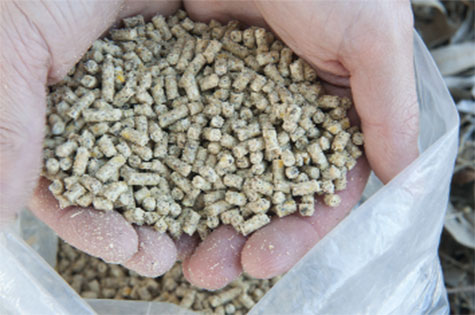
The finished feed is very susceptible to oxidation, especially if the feed has a high fat content, or is stored for a long time under unfavorable conditions.
Concept
Fat oxidation in feed is a natural phenomenon that will occur regardless of precautions taken. In fact, these precautions are all aimed at delaying the lowest level of fat oxidation in the feed when it reaches the animal. This is also to avoid the decrease in feed intake that the animal eats, which often occurs in animals that eat oxidized feed. Therefore, manufacturers need to develop an oxidation control plan before starting production, starting with the selection of the right ingredients and the right antioxidant additive.

Use Antioxidants
Antioxidants are often added to oils to prevent oxidation during storage. Such additives are also added to complete feeds, concentrates and premixes containing high levels of fats and oils. In terms of origin, antioxidants can be of natural or synthetic origin. Popular antioxidants include butylated hydroxytoluene, citric acid propyl gallate, Vitamins C, E. Natural antioxidants extracted from polyphenol-rich spices and herbs. Commercial products are derived from spices such as cloves, cinnamon, marjoram, cumin, garlic and coriander; Or herbal extracts such as sage, thyme, marjoram, tarragon, mint, marjoram and rosemary. Certain colorants such as carotene, beta-carotene, astaxanthin, zeaxanthin, lutein and canthaxantin also have antioxidant activity.
Quality control
Oxidation status should be checked in all fat sources. It is best to purchase fats that are already fortified with antioxidants if storage conditions are unfavorable. Finished feed should be checked for oxidation status regularly. In addition, it is also necessary to take samples from the feeding sites (in the feeder) to assess the oxidation status of the feed once it has been delivered to the animals.
Peroxide analysis is a valuable indicator of oxidation status, but it does not provide all the information needed to assess overall oxidation status in feed and fat. It is often combined with other tests such as: Analysis of anisidine, malonaldehyde and thiobarbituric acid (TBA). To assess the complete and complete oxidation state, it is necessary for the manufacturer to combine multiple tests when analyzing the sample.
Recommendations in production activities
In most cases, the addition of a single antioxidant, inexpensively and in low doses, can usually be met with cold production conditions and consumed within a few weeks. after production. When storing, transporting and long-term storage in hotter weather, with high volatile fat content, the manufacturer needs to add antioxidants in higher doses. Therefore, it is possible to use 2 or 3 different antioxidants to complement the reciprocal effect. Note, before use, should be moderated and carefully considered the dosage of the supplement in accordance with the characteristics of the feed.


